



PGDay Mumbai 2026, held on 7th February at IIT Bombay, brought together PostgreSQL practitioners, contributors, and engineers for a full day of deep technical sessions and community interaction. Ashnik participated as one of the event sponsors and contributed to the agenda with a focused session on Model Context Protocol (MCP) for PostgreSQL, reflecting how AI and databases are beginning to converge in real production environments.
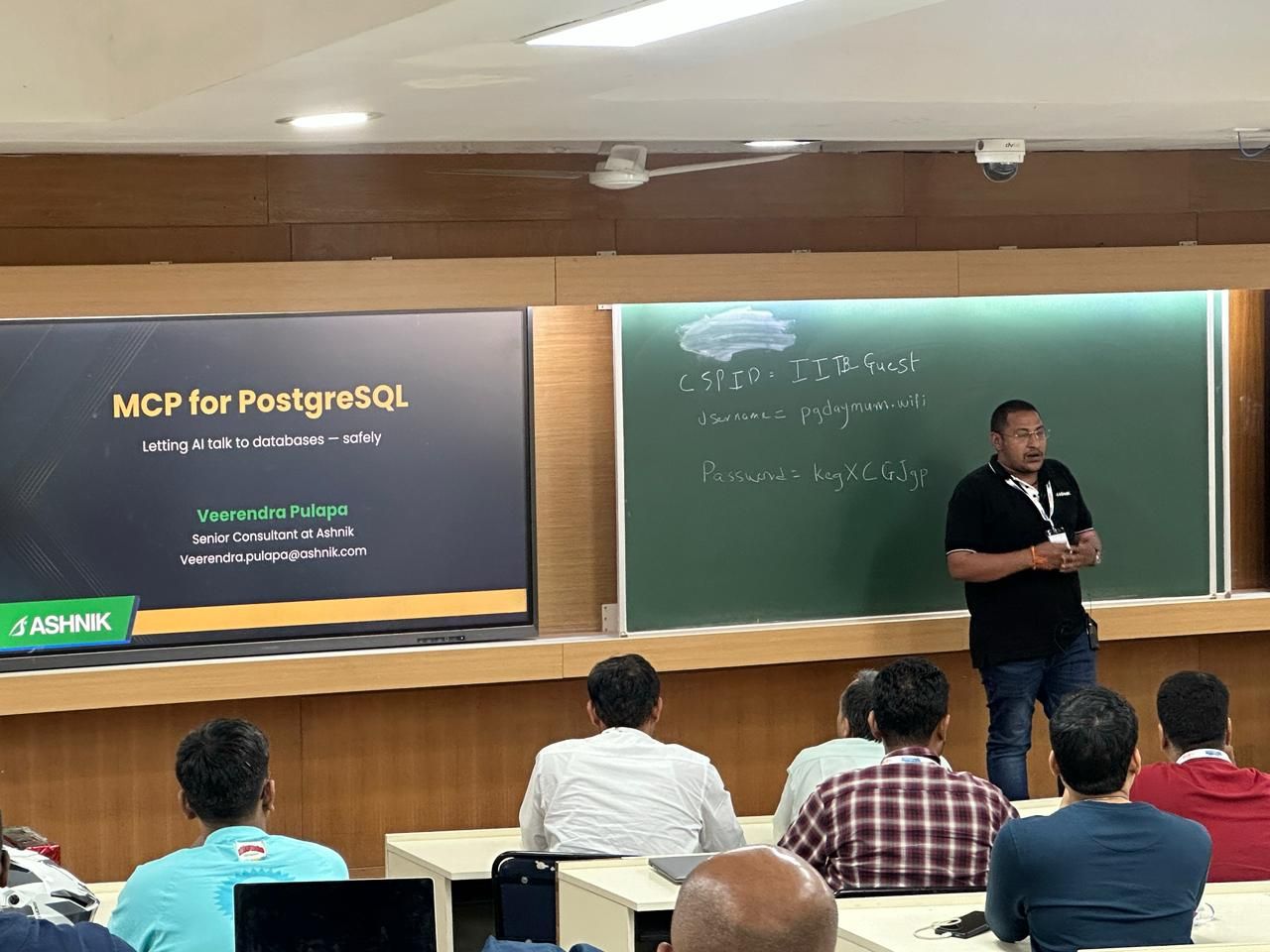
Ashnik’s lightning talk, delivered by Veerendra Pulapa, demonstrated a working MCP server built for PostgreSQL. The session addressed a growing challenge that teams face as AI adoption increases: enabling AI systems to query databases without granting unrestricted or unsafe access.
The MCP server showcased how PostgreSQL can expose structured context to AI while strictly enforcing read-only permissions and clear access boundaries. Rather than relying on fragile integrations, the approach treats the database as a governed knowledge source. The talk was based on hands-on implementation experience and focused on practical design decisions.
A detailed walkthrough of this work is available here:
The event opened with organizers highlighting the rapid growth of the PostgreSQL community in Mumbai. They noted a clear shift from proprietary databases to PostgreSQL, including adoption by major Indian public and private-sector banks. This theme set the tone for the rest of the day.
The keynote by Professor Prabhu Ramachandran (IIT Bombay) framed this shift through the lens of digital sovereignty. Drawing from examples involving governments and enterprises being locked out of proprietary platforms due to geopolitical changes, he argued that open source is central to long-term control, resilience, and self-reliant digital infrastructure.
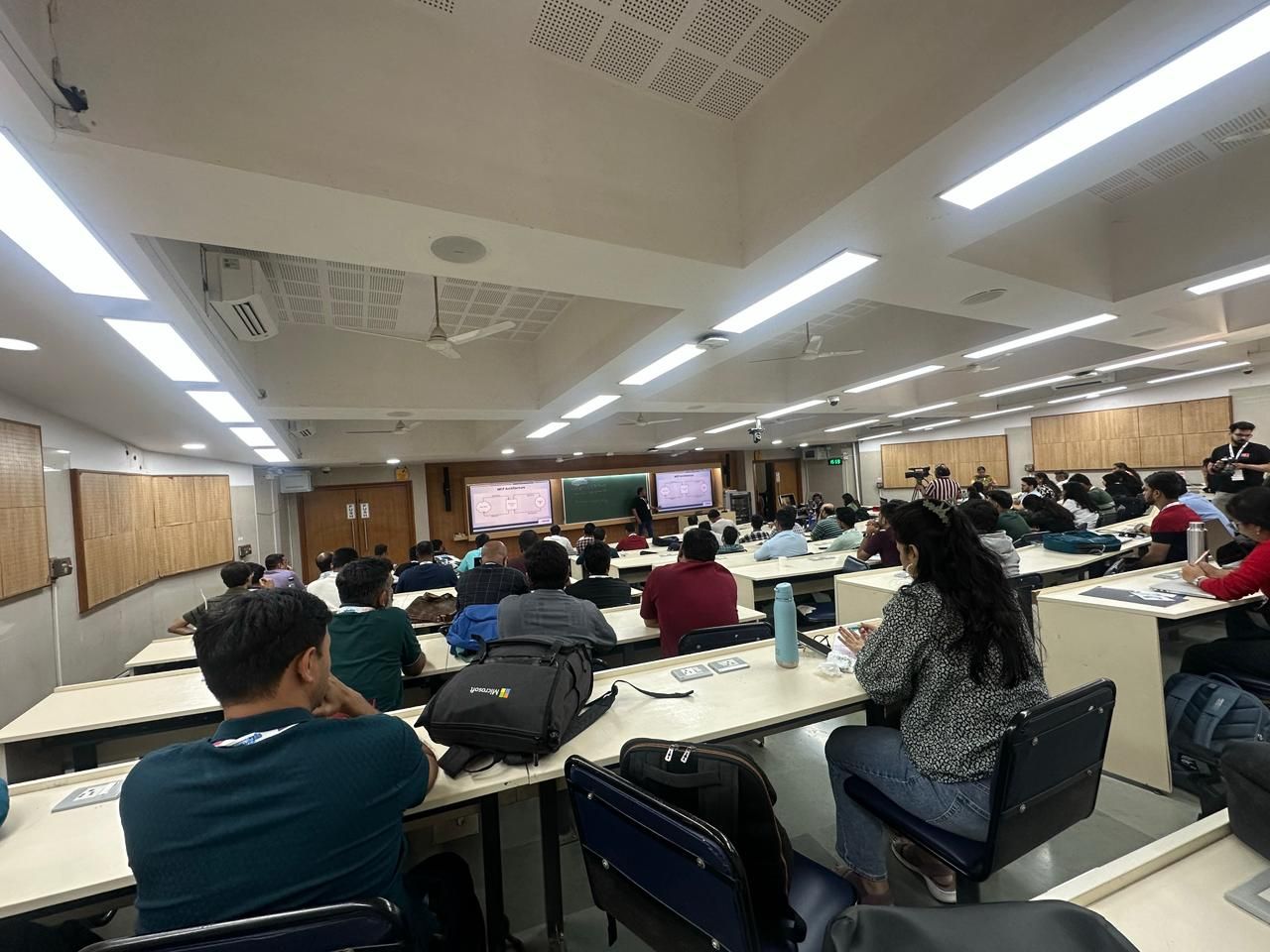

Several sessions explored how PostgreSQL is expanding beyond traditional transactional workloads.
Ajit Gadge (EnterpriseDB) traced the evolution of search in PostgreSQL, from basic filtering to full-text search and semantic search using pgvector. His session showed how hybrid search models can combine keyword relevance with vector similarity to improve accuracy.
Kamesh (Snowflake) introduced PG Lake, demonstrating how PostgreSQL can query Parquet and CSV files stored on object storage without moving the data. Support for Apache Iceberg brought analytical features such as time travel into the picture.
Jeevan Ladhe (EnterpriseDB) offered a deep dive into query optimization, explaining how the planner selects execution paths and why indexes do not always result in faster queries. His session highlighted practical performance tuning insights often misunderstood in production systems.
Deepti Jain demonstrated how PostgreSQL can be used for real-time predictions using PL/Python, embedding machine learning logic directly inside the database and triggering predictions as data is written.
Manan (Supabase) discussed Multigress and its approach to sharding PostgreSQL for large-scale workloads. He explained a two-layer architecture that enables high connection concurrency without overwhelming the database.
Ashutosh Bapat (Microsoft) spoke about graph workloads and the upcoming SQL/PGQ standard, which aims to make graph-style queries more natural in PostgreSQL and is being developed for future Postgres releases.
A deep technical session by Harikiran (Open Source DB) focused on active-active PostgreSQL systems using the Spock extension, addressing challenges such as multi-master replication and schema change propagation across distributed nodes.
For those who could not attend or want to revisit the discussions, the full event recording is available here:
PGDay Mumbai 2026 highlighted how PostgreSQL continues to evolve as a serious platform for modern data systems. From AI integration and distributed architectures to digital sovereignty and open governance, the event reflected a community focused on solving real problems at scale. Ashnik’s contribution through MCP for PostgreSQL aligned with this direction, demonstrating how open databases and AI can work together without compromising control or security.

